
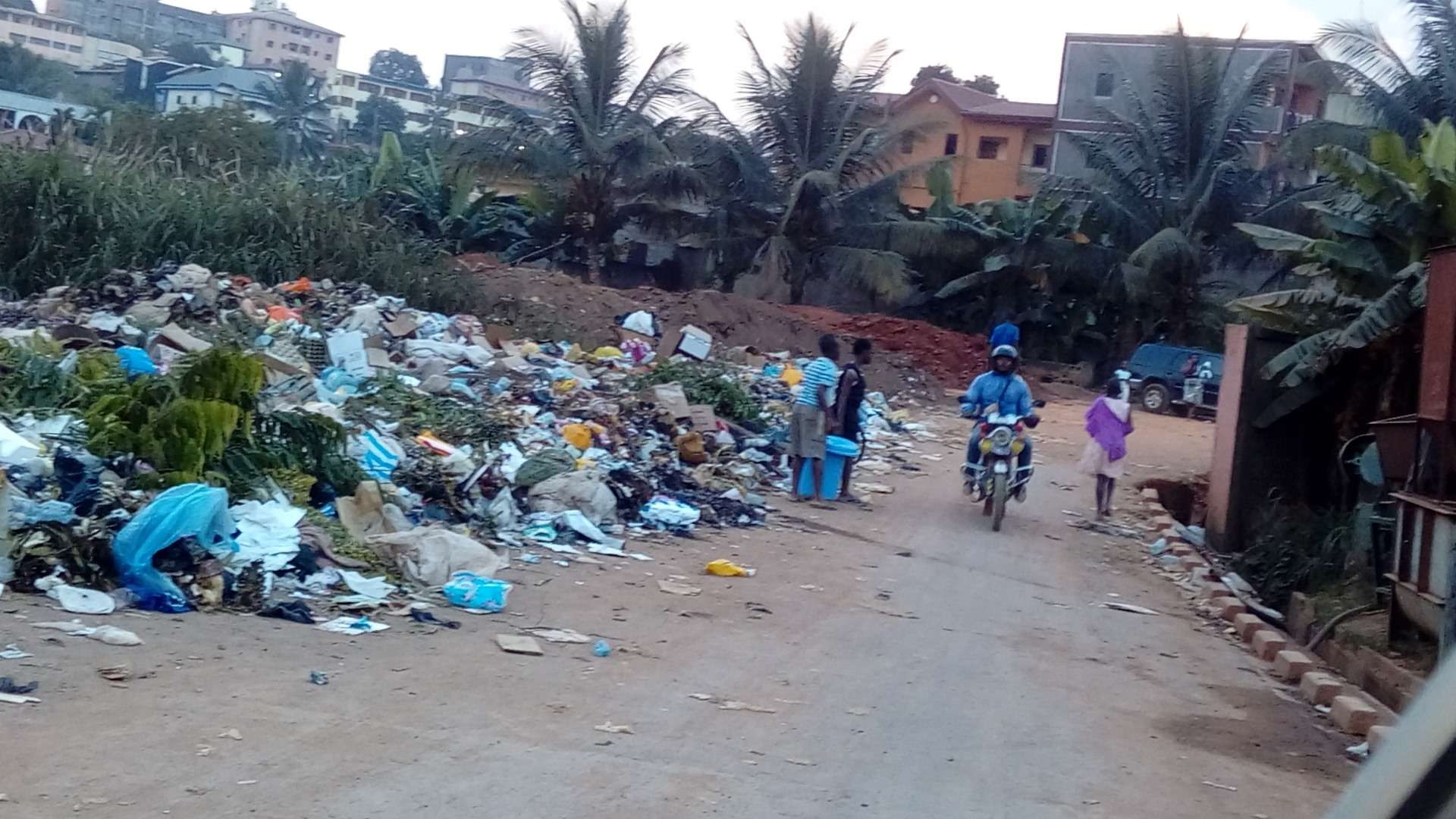
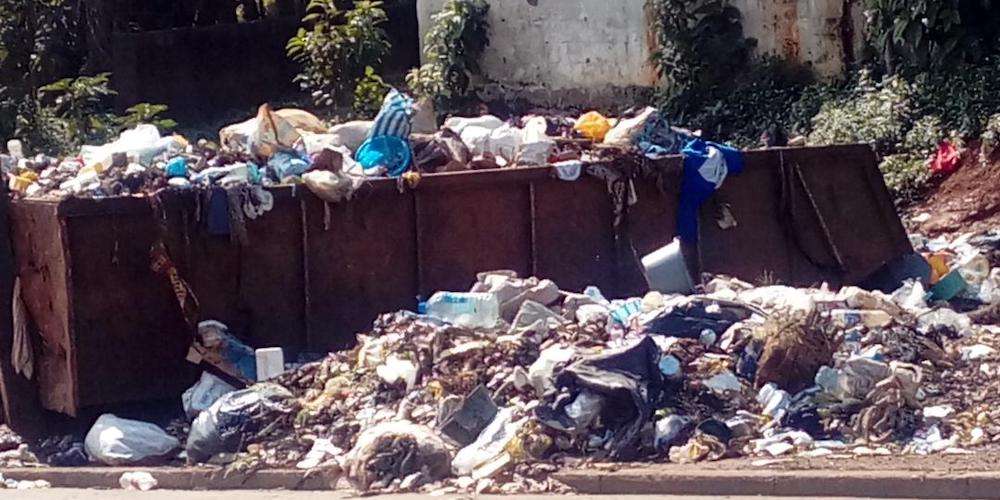
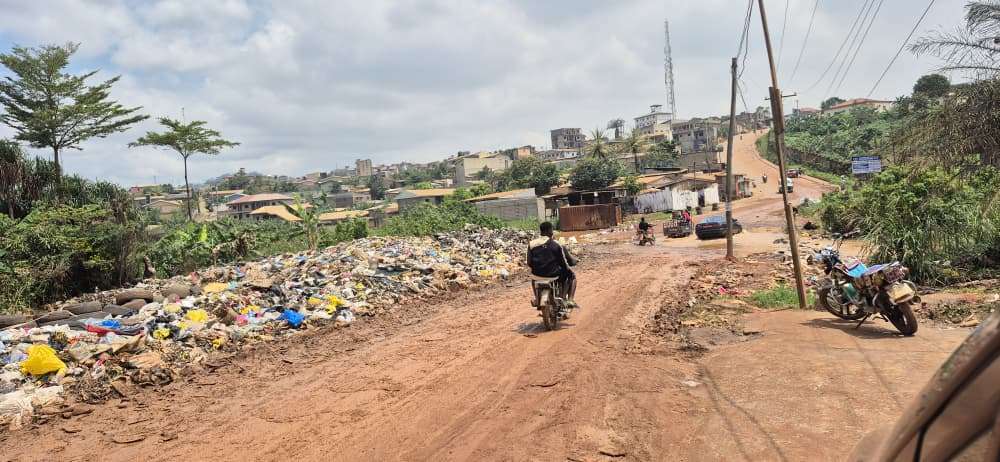
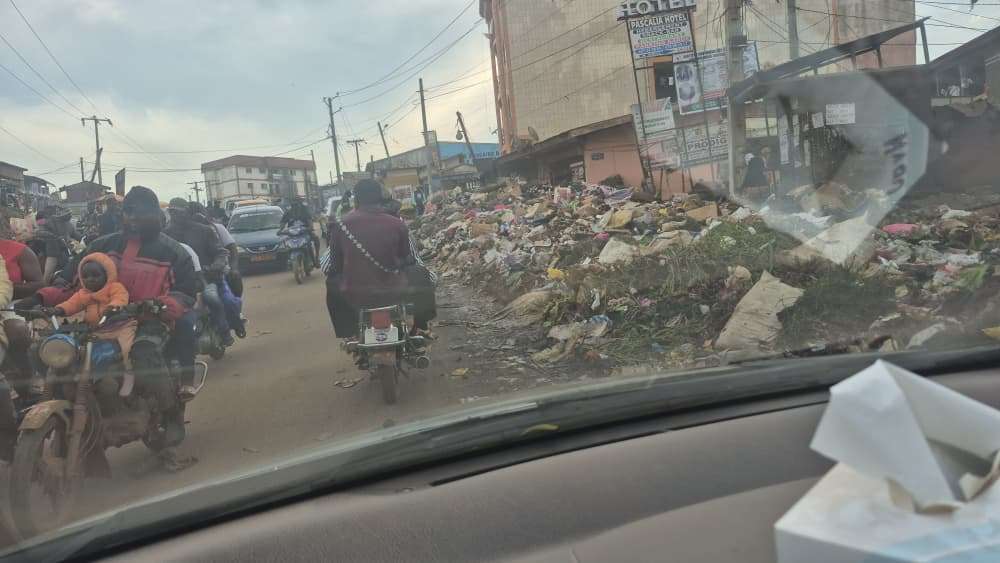
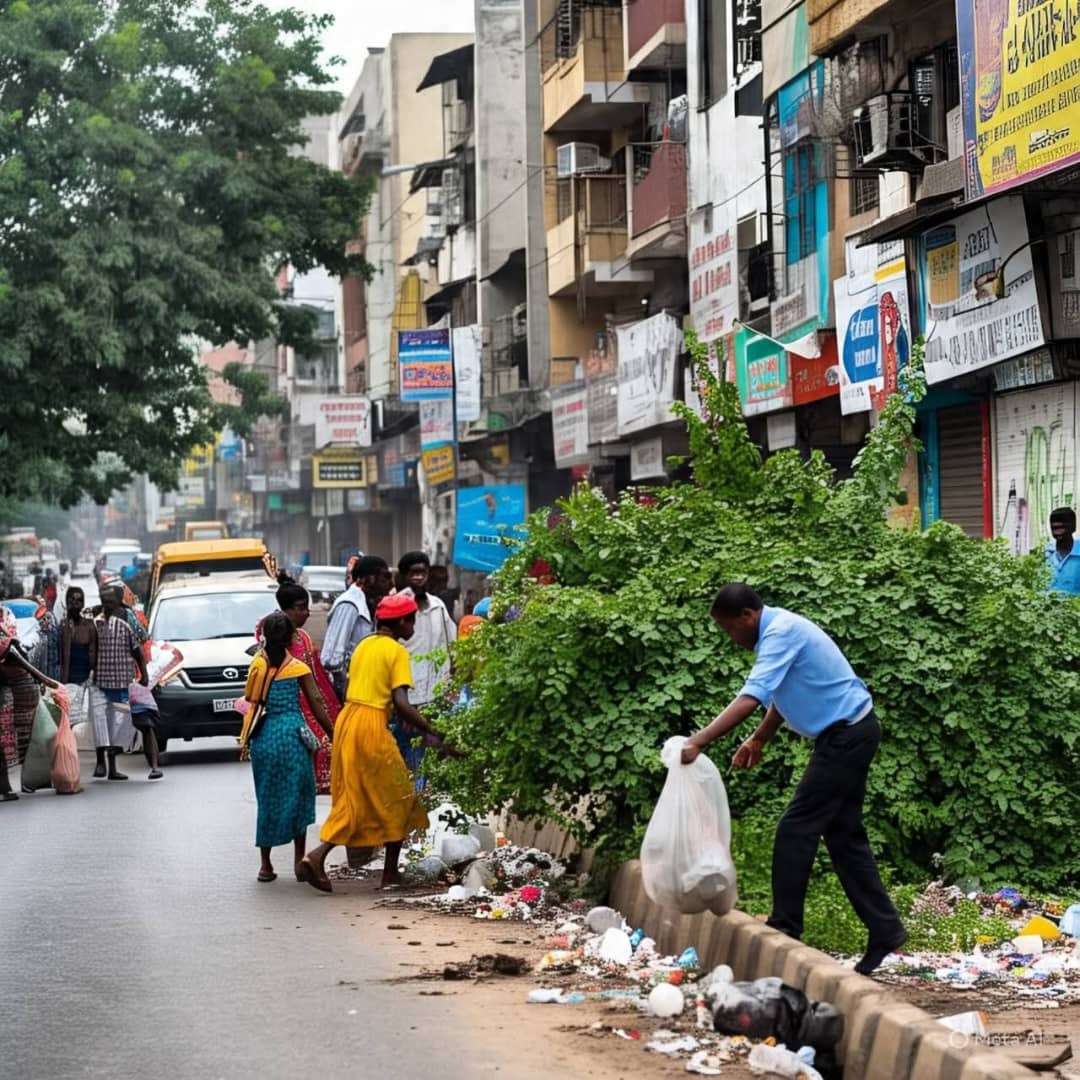
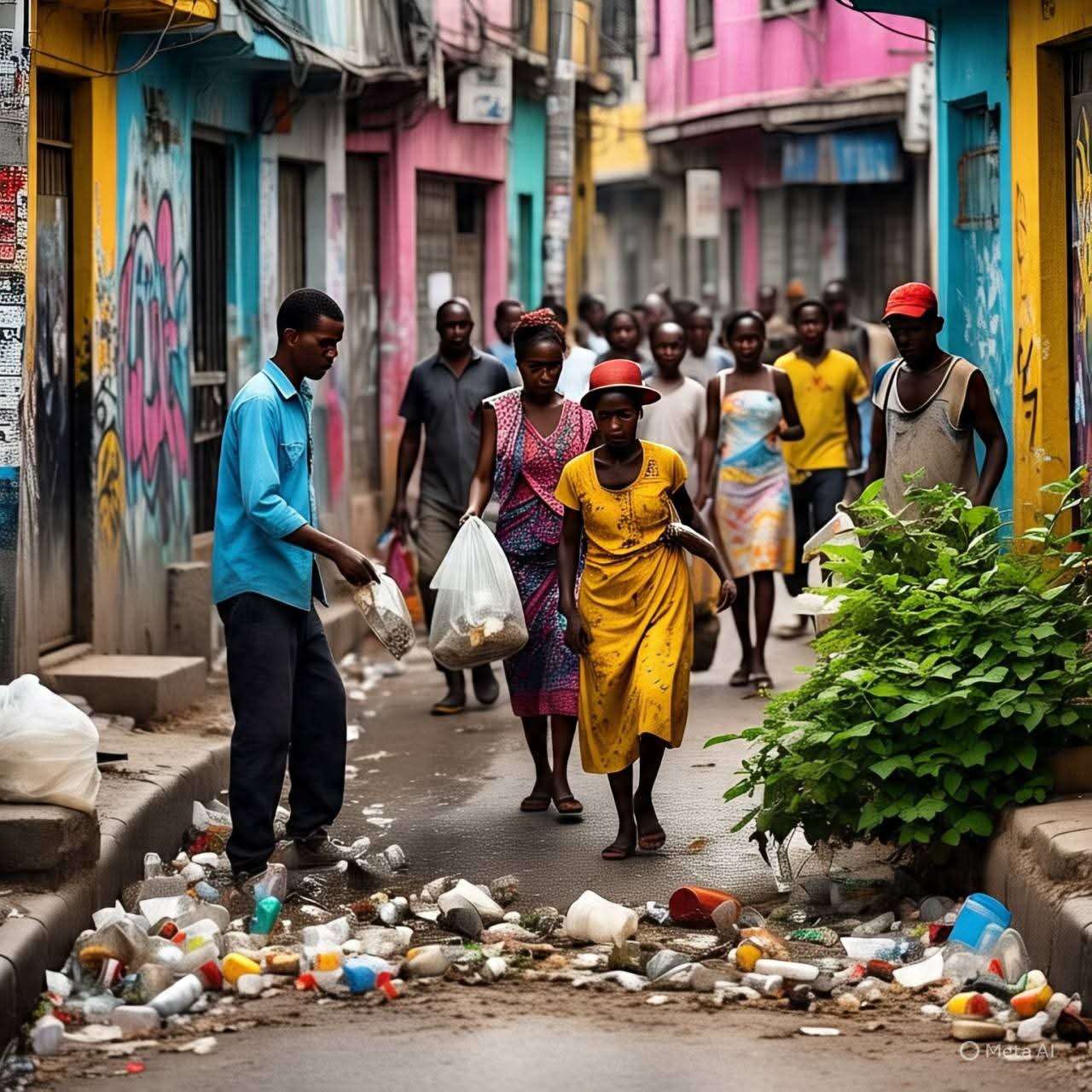
Cities like Yaoundé, Douala and other major urban centres in Cameroon are increasingly overwhelmed by garbage — heaps lining streets, sidewalks and drainage channels (Source: Urban Sanitation Assessment, 2023). The stench of rotting waste and toxic odours from decomposing materials have become part of daily life for many residents (Source: Public Health Review, 2022).
Hard numbers: Waste Generation & Collection
Cameroon produces around 6 million tonnes of solid waste annually (Source: National Solid Waste Report, 2023).
Of this, about 600,000 tonnes are plastic waste every year (Source: HYSACAM).
In Yaoundé, household waste generation is 0.5–0.8 kg/person/day, averaging 0.62 kg/person/day (Source: Yaoundé Urban Waste Study, 2022).
This translates into approximately 1,920–2,000 tonnes/day of waste in Yaoundé (Source: Yaoundé City Council, 2023).
In Douala, daily waste generation is 2,000–2,700 tonnes/day (Source: Douala Urban Sanitation Report, 2022).
Only about 70% of household waste in Douala is collected — meaning 30% remains uncollected.
In Yaoundé, only 45–51% of waste is collected according to recent reports (Source: MINEPDED Urban Report, 2023).
Nationally, most municipal waste ends up in open dumps or informal disposal sites, with very low levels of proper processing or recycling (Source: National Environmental Performance Review, 2022).
What Does This Mismanagement Cause?
Uncollected waste remains on streets for weeks or months, producing foul odours, toxic gases and leachate that contaminate soil and waterways (Source: Environmental Health Bulletin, 2023).
Open dumping and burning worsen air pollution and contribute to respiratory illnesses (Source: Health and Air Quality Report, 2022).
Waste blocking drainage systems significantly increases flooding during rainy seasons, especially in dense neighbourhoods (Source: Urban Flood Risk Assessment, 2023).
Poor sanitation increases risks of waterborne diseases, vector-borne diseases, and pollution-related illnesses (Source: Public Health Surveillance Data, 2022).
Who Is Responsible?
The crisis involves multiple stakeholders (Source: National Waste Governance Review, 2023):
Government & Municipal Authorities: Insufficient funding, delayed payments to contractors, weak oversight, lack of investment in modern waste infrastructure (Source: MINEPDED, 2023).
Waste-Management Companies: Contractors like Hysacam face operational challenges including aging trucks and unpaid dues, resulting in irregular collection (Source: Waste Services Audit, 2022).
Local Councils / Urban Communities: Many lack resources or political will to enforce sanitation planning or expand service coverage (Source: Local Governance Assessment, 2023).
Households & Citizens: Informal dumping and burning occur frequently due to service gaps, low awareness and limited legal disposal options (Source: Community Behaviour Study, 2022).
Why Does It Matter?
The combined institutional and individual failures constitute a major public health emergency (Source: National Public Health Risk Report, 2023). Waste mismanagement:
Threatens water supplies
Harms ecosystems
Degrades urban living conditions
Exposes vulnerable groups to disease and pollution (Source: Environmental Impact Review, 2023)
Time for Emergency Action
This crisis requires urgent and sustained action (Source: Environmental Policy Action Plan, 2023):
Structural reforms in waste-management policies and financing
Investment in collection equipment, transfer centers, controlled landfills, recycling and composting facilities
Stronger enforcement of sanitation regulations
Public awareness and behaviour-change campaigns
Support for grassroots/community recycling and waste-to-wealth initiatives
📣 Our Call
The waste situation in Cameroon, particularly in Yaoundé and Douala, is not just an environmental concern; it is a public-health emergency (Source: UNEP National Environmental Brief, 2023).
We call on the government, waste-management companies, local councils, households, and the entire society to take collective responsibility and act now.
Civil-society organizations including Green Globe Organisation, Better Earth International, Luena Foundation, The Pollination Project Foundation, MINEPDED, UN Environment Programme, Green Cameroon, Children For All Africa, and all committed citizens must continue to mobilize their strength, voice and action to reclaim our cities from waste.
#waste #wastedisposal #wastemanagement #PublicHealthMatters #sanitation